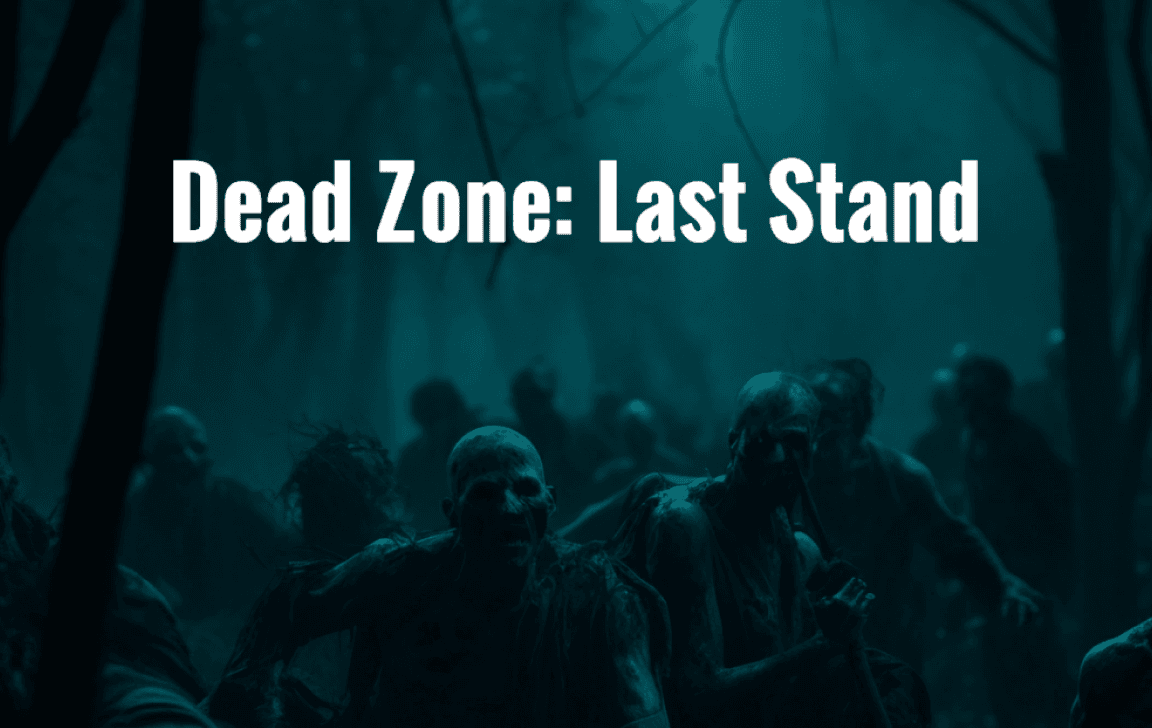
Dead Zone: Last Stand – Game Design Document
A comprehensive breakdown of the development, mechanics, and design philosophy behind my FPS zombie survival game built in Unity.
Game Overview
Dead Zone: Last Stand is a first-person zombie shooter game where players find themselves stranded in a post-apocalyptic zone. The core objective is simple yet challenging: survive endless waves of zombies by exploring the terrain, collecting weapons and ammunition, and managing health resources strategically.
This project was developed as part of my Game Development coursework, focusing on implementing core Unity features including raycasting for combat, NavMesh AI for zombie behavior, terrain sculpting, UI systems, scene management, and animator controllers. The game is designed for teens and adults (age 13+) who enjoy fast-paced FPS and zombie survival experiences.
Platform: PC (Windows)
Engine: Unity 3D
Download Link: Play on Itch.io
Core Mechanics and Features
Movement and Controls
The game uses a standard FPS control scheme to ensure familiarity and accessibility:
- WASD / Arrow Keys for movement
- Mouse for aiming and camera control
- Left Click to shoot
- F Key to pick up weapons and items
- R Key to reload
- G Key for throwables (grenades, explosives)
- ESC to pause
Combat System
The shooting mechanics are built using raycasting, which allows for precise hit detection when the player aims and fires at zombies. Each weapon has distinct firing mechanics, reload animations, and sound effects to enhance immersion. Weapons can be switched on the fly, and ammo management becomes critical as waves progress.
Zombie AI
Zombies are powered by Unity's NavMesh system, which enables them to:
- Detect the player within a certain range
- Navigate around obstacles and terrain using pathfinding
- Chase the player dynamically
- Attack upon collision with appropriate animations
Each wave increases both the number and speed of zombies, scaling the difficulty progressively to keep players on edge.
Technical Implementation
The project incorporates multiple advanced Unity features as part of the course requirements:
Material & Depth Map: Custom materials for weapons, terrain, and zombies; depth maps used for realistic shading and lighting effects.
Light Management: Directional light simulating day/night cycles, point lights on torches, and player flashlight.
Prefabs: Zombie, bullet, weapon pickup, medkit, and blood effect prefabs used across the game for consistency.
Instantiation: Zombies and pickups spawned dynamically at runtime using predefined spawn points.
Collision: CharacterController and Rigidbody for player movement and physical interactions.
Raycasting: Used for shooting mechanics and interaction with zombies and pickups.
UI Components: Health bar, ammo count, wave counter, and pause menu built with Unity UI.
Scene Management: Start menu, gameplay, and game over screens handled through Unity's SceneManager.
Terrain & Skybox: Custom Unity terrain with foliage, hills, and atmospheric skybox for environmental immersion.
Animator Controller: Separate animation controllers for player actions (reload, aim) and zombies (idle, walk, attack, die).
Level Design
Maps
The game includes two distinct maps:
- Lab Map – A confined, claustrophobic environment with tight corridors and limited visibility
- Industrial Map – An open outdoor area with ruined buildings, barricades, and varied terrain elevation
Wave System
Each session begins in a safe zone with initial weapon and ammo pickups. As waves progress, the battle area expands, introducing more spawn points and increasing zombie aggression. Players must use environmental cover, strategic positioning, and resource management to survive.
User Interface (UI)
The HUD displays critical information in real-time:
- Health Bar (top-left)
- Ammo Count (bottom-right)
- Wave Number (top-center)
Additional UI elements include:
- Pause Menu with Resume, Restart, and Quit options
- Game Over Screen showing final score, survival time, and retry option
- MiniMap for spatial awareness
Art and Visuals
The game employs a mix of stylized low-poly and realistic models for zombies, weapons, and environmental assets. Post-processing effects enhance immersion, including bloom, vignette, and color grading to create a dark, atmospheric survival experience.
Audio Design
Sound plays a crucial role in building tension and feedback:
- Background Music – Atmospheric tracks that intensify during waves
- Ambient Sounds – Wind, distant growls, and environmental audio
- Sound Effects – Gunfire, zombie attacks, footsteps, and UI interactions
Development Task Breakdown
All core features have been successfully implemented:
- Player Controls
- Raycast Shooting
- Weapon Sound and Animation
- Weapon Switching and Clipping
- Throwables
- Player Death and Health
- Zombie AI with Animator
- Terrain and Skybox
- UI System
- Scene Transitions
- Prefabs and Spawning
- Light Setup
- MiniMap
System Requirements
Minimum:
- Storage: 4 GB
- RAM: 16 GB
- Graphics: AMD Radeon 780M / NVIDIA GeForce 3050
- Processor: AMD Ryzen 5 / Intel i5
- Operating System: Windows 10 / 11
Future Scope
While the current version focuses on survival waves, Dead Zone: Last Stand has significant potential for expansion:
Story-Driven Campaign Mode
Introduce a cinematic single-player campaign with voice acting, cutscenes, and scripted missions. Players could receive radio transmissions from survivors and embark on rescue missions before they are overrun.
Cure Research Arc
Add a subplot where the player gathers scientific samples from infected zones to help a remote research team develop a cure. This would introduce exploration-based objectives beyond pure survival.
Moral Choices
Allow players to choose between saving survivors or prioritizing personal survival, leading to multiple branching storylines and endings.
Open World Exploration
Expand the environment into a larger explorable city or region with dynamic events, side quests, scavenging mechanics, and environmental storytelling.
Multiplayer Co-op Campaign
Enable friends to join in real-time cooperative mode, defending positions together, reviving teammates, and coordinating strategies against overwhelming zombie hordes.
This expansion would transform the game from a wave-based shooter into a rich, immersive zombie apocalypse experience with narrative depth and replay value.
Conclusion
Dead Zone: Last Stand is a demonstration of core Unity game development skills, combining AI, raycasting, terrain design, UI/UX, and audio into a cohesive survival shooter. The project challenged me to balance technical implementation with engaging gameplay, and it serves as a foundation for more complex projects in the future.
Whether you're looking to survive a few waves or explore the deeper possibilities of a zombie apocalypse, Dead Zone: Last Stand offers a solid FPS experience built from the ground up.
Play the game now: Dead Zone: Last Stand on Itch.io